
Your Professional Rod Ends Bearing Manufacturer in China!
Our company was founded in 1986 and had been focusing on exporting high bearing ever since. We have a stock warehouse and provide a variety of stock bearings. For special and rare ones, we can distribute the goods to the agents in the country of origin of each brand, and the MOQ is as low as 1 set. We also have the ability to provide customers with professional bearing solutions. We work with professional bearing manufacturers and have invested over 300 million in upgrading product formulas.
Why Choose Us
01/
Rich Experience
There are nearly 40 years of bearing support and industrial service experience in our factory.
02/
Wide Market
Our products have been exported to North America, Europe, the Middle East, Brazil, South Africa, and Mexico and were well acknowledged by clients worldwide.
03/
Timely Delivery
Our warehouse is one of the largest product inventory warehouses. We can guarantee direct and timely delivery, and at the same time, we ensure that you get original sources of goods. If special bearings are not stocked, we can allocate cargo from the agents of original countries such as Sweden, Germany, the U.S.A., and Japan.
04/
Diverse Products
We have conventional various ball, roller, and needle bearings. And we can also provide some uncommon bearings such as non-standard bearings, linear bearings, automobile bearings, and giant bearings, as well as bearing tools such as bearing heaters, etc.
05/
Advanced Equipment
The production line of our factory is fully equipped, including manufacturing and testing machinery. We have an annual output of 5 million sets of bearings. We will check the production equipment regularly to ensure that we can produce higher-quality bearings.
06/
Global Shipping
Our products can be shipped from China to every corner of the world by sea, roadway and air. We ensure that every customer's order arrives on time.
-

SI 15 C Rod End Bearing
The SI 15 C bearing is a high-performance, compact rolling bearing with excellent self-aligning Add to Inquiry -
SI 12 C Rod End Bearing
SI 12 C bearing is a high-performance, compact, self-aligning rolling bearing, suitable for various Add to Inquiry -
Bearing SI25E
Bearing SI25E, also known as the spherical plain bearing, is a type of bearing widely used in Add to Inquiry -
SA80ES
The SA80ES bearing, also known as a rod end bearing, is a critical component used in mechanical Add to Inquiry -
PHS30
PHS30 is a type of rod end joint bearing that is widely used in various mechanical applications. It Add to Inquiry -
SIL8T/K
SIL8T/K-rod end joint bearing is a type of bearing used in various mechanical applications. It is Add to Inquiry -
SI50ES-2RS Bearing
Product introduction: One of the key features of the SI50ES-2RS bearings is their ability to Add to Inquiry -
SI18 Bearing
Product introduction: One of the key features of the SI18 bearings is their robust construction, Add to Inquiry -
SI10 Bearing
SI10 bearing is a type of spherical plain bearing that is commonly used in various industrial and Add to Inquiry -
SAL8T/K Bearing
Rod end bearings, also known as Heim joints or spherical bearings, are specialized bearings that Add to Inquiry
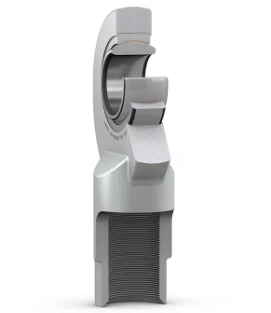

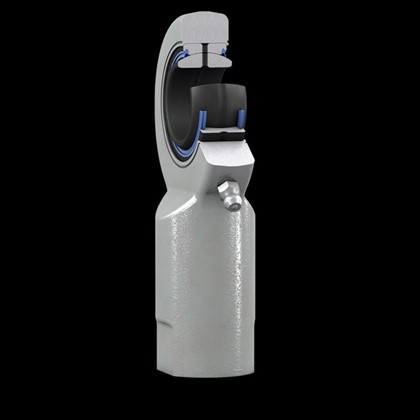
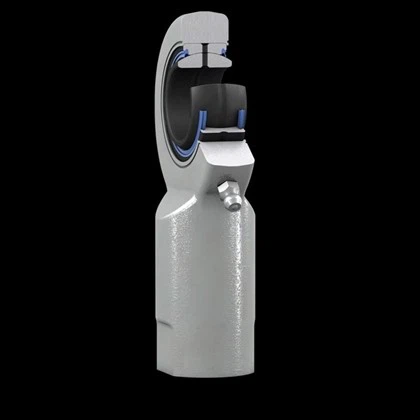
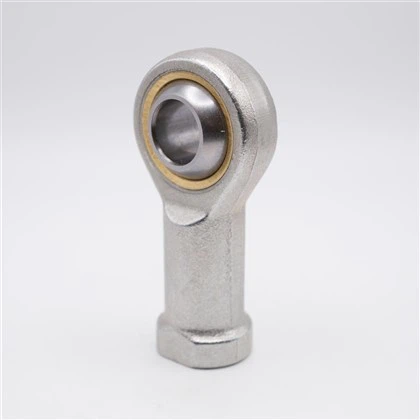


Introduction of Road Ends Bearing
A rod end bearing is used on the ends of control rods, steering links, tie rods, or anywhere a precision articulating joint is required, and where a clevis end is unsuitable. A ball swivel with an opening through which a bolt or other attaching hardware may pass is pressed into a circular casing with a threaded shaft attached. The threaded portion may be either male or female. The rod end bearing's advantage is that the ball insert permits the rod or bolt passing through it to be misaligned to a limited degree (an angle other than 90 degrees). A link terminated in two rod end bearings permits misalignment of their attached shafts (viz., other than 180 degrees).
Application of Road Ends Bearing
1
Automotive Industry
Rod ends are widely used in the automotive industry for various applications. They are commonly used in suspension systems, steering linkages, control arms, and anti-roll bar connections. Rod ends allow for smooth articulation and provide a stable connection between components while accommodating angular misalignment and absorbing shock and vibration.
2
Robotics and Automation
Rod ends are frequently utilized in robotics and automation systems. They enable precise and flexible movement in robotic arms and manipulators. Rod ends allow for angular misalignment, rotational motion, and linear motion, making them suitable for applications that require dynamic movement and adaptability.
3
Industrial Machinery
Rod ends are employed in various industrial machinery applications. They can be found in conveyor systems, material handling equipment, packaging machinery, and printing machines. Rod ends provide a flexible and durable connection, facilitating smooth and reliable movement and reducing wear and friction.
4
Aircraft and Aerospace
Rod ends play a crucial role in the aerospace industry. They are used in control systems, actuators, landing gear, and flight control surfaces. Rod ends offer high load capacity, resistance to extreme temperatures and environmental conditions, and precise articulation, making them suitable for aerospace applications that require reliable and precise motion control.
5
Marine and Offshore Applications
Rod ends are used in marine and offshore systems, such as steering linkages, mooring systems, and lifting mechanisms. They are designed to withstand the harsh marine environment, including saltwater, corrosion, and high loads. Rod ends provide durability, corrosion resistance, and articulation capabilities required for marine and offshore applications.
6
Agricultural Machinery
Rod ends are commonly employed in agricultural machinery, including tractors, combines, and tillage equipment. They are used in steering linkages, suspension systems, and implementation applications. Rod ends facilitate smooth and precise movement, absorb shocks and vibrations, and withstand the demanding conditions of agricultural environments.
7
Sports Equipment
Rod ends are utilized in various sports equipment, particularly in applications that require articulation and movement. They are used in bicycles, motorcycles, off-road vehicles, and sports suspension systems. Rod ends provide reliable and flexible connections that allow for smooth and controlled motion in sports equipment.
5 Facts About Rod Ends Bearing

Male and Female Styles
Not all rod ends are the same. You can find them in male and female styles. Both male and female rod ends feature a shank with an integrated head. Male rod ends simply have a solid shank with external threading. Female rod ends, on the other hand, have a hollow shank.
Available in Different Sizes
You can find rod ends in different sizes. And you'll need to choose a rod end in the right size for your intended application. Some rod ends are wider or longer than others. The ball size of a rod end may also vary. Regardless, if you're looking to buy a rod end, you should choose the right size for your intended application.
Allows for a Limited Degree of Misalignment
One of the unique characteristics of rod ends that distinguishes them from other types of mechanical joints is that they allow for a limited degree of misalignment. Other types of mechanical joints typically require proper alignment with the part. Rod ends are unique in the sense that they allow for a limited degree of misalignment. The part to which a rod end is connected can move slightly.
Versatile Alternative to Clevis Ends
Rod ends offer a versatile alternative to clevis ends. Clevis ends are mechanical joints as well. The problem with clevis ends, though, is that they require a perfect 90-degree angle alignment. Rod ends don't require this same perfect alignment. Therefore, you can use a rod end in applications where clevis ends won't work.
Available in Right-Hand and Left-Hand Thread Types
Rod ends are also available in right-hand and left-hand thread types. The thread type of rod end is determined by its style. Male-style rod ends have external, left-hand threads. Female-style rod ends have internal, right-hand threads.
6 Common Materials Used for Rod Ends Bearing
Chromous Steel
Some rod ends are made of chromous steel. Chromous steel is a type of low-alloy steel. It consists mostly of iron with a small amount of carbon. Chromous steel is strong, durable and lightweight. These properties make it an attractive material for rod ends.
Carbon Steel
While some rod ends are made of chromous steel, others are made of carbon steel. Also known as high-carbon steel, carbon steel is exactly what it sounds like: steel with a higher concentration of carbon than other types of steel. All types of steel contain some carbon. The term "carbon steel" simply refers to steel with a high concentration of carbon.
Aircraft Aluminum
You can find rod ends made of the same type of aluminum used in airplanes. Known as aircraft aluminum, it's an exceptionally strong and lightweight aluminum alloy. One of the most common types of aircraft aluminum is 7075. It's an aluminum alloy that features zinc as the main alloy element.
Aluminum
There are also rod ends available in plain aluminum. Plain aluminum isn't as strong as aircraft aluminum. Nonetheless, it's still a versatile material. You can find rod ends made of aircraft aluminum and plain aluminum. The former is a specific type of aluminum alloy that's commonly used in the aerospace manufacturing industry as well.
Stainless Steel
Another common material used for rod ends is stainless steel. Stainless steel is an iron alloy. It consists mostly of iron but with one or more alloy elements. The main alloy element used in stainless steel is chromium. There are different varieties of stainless steel, but nearly all of them contain at least 11% chromium. Chromium helps to protect the iron from oxidation, which could otherwise lead to rusting.
Oxide-Coated
You may discover that some rod ends are made of an oxide-coated material. An oxide coating is a thin layer that's added to the surface of a given material, such as aluminum. The presence of this oxide coating will protect the material from environmental damage. Oxide-coated materials like aluminum are commonly used for rod ends.
5 Things You Should Not Do To Your Bearings
These are a few things that you should not do to your bearings to avoid early breakdowns:
Applying Too Little Grease
Applying lower than the recommended amount of grease may increase temperatures and metal contact, leading to increased friction and damaging the bearing through extreme wear. As a result, it leads to early failure in your bearings.
Applying Too Much Grease
In fact, over-greasing causes even more damage to the bearings than under-greasing. Applying too much grease will lead to heat-build up as there is nowhere for heat to dissipate and along with the internal churning of the bearing, the excessive grease will then travel outside the bearing and hardened on the surface, preventing the entry of any other grease. The restricted lubricant flow and high temperature then results in lubrication failure and in turn, bearing failure.
Placing Your Bearings on the Ground
Avoid placing your bearings on the floor for long hours even if they are new and tightly sealed in a package. This is due to the direct contact between the ground and the bearings and thus heat transfers quickly from the floor to the bearings. Furthermore, the ground surface is also exposed to moisture that could seep into the packaging of the bearings and eventually to the bearing itself. Therefore, it is strongly recommended that whenever you receive your bearings, place them on high surfaced objects such as a wooden palette that acts as an insulator without any direct contact between the ground and bearings so that heat transfer is slow; the same goes for moisture.
Hammer or Exert Direct Force
While bearings are relatively hard, using metal hammers (e.g. steel) that have greater hardness could cause serious harm to the bearings. Usually, the tight fit configuration is meant for either the shaft or the housing. There have been cases whereby both components have tight fits due to their deviation which dictates how far away from the nominal dimension, the actual measurement is allowed to be. For example, if the shaft has the maximum deviation of +10μm and housing bore has the minimum deviation of -10μm, this would mean that the shaft has a slightly larger diameter than its standard measurement while the housing has a marginally smaller diameter than its actual dimension. Hence, the larger shaft and the smaller housing are unable to fit into each other due to tightness. When encountered with this situation, some would use a hammer or similar tools to pound on the bearings, hoping to "loosen" the fit. However, not only does this action unable to help with loosening the fit, it causes severe damage to the bearings. This causes the rolling elements to be misaligned and also wears out the bearings due to hammering.
Exposing Your Bearings to Moisture
While most bearings have a strong resistant to water or damp surfaces, it is still susceptible to rust under extreme condition or when they are exposed to moisture for a long period of time, resulting in water contamination. It is important to note that even a little rust has a huge impact on the lifespan of the bearings. While bearing failure may take a long time, sometimes even up to several years to even be noticeable, the life expectancy of bearings are significantly reduced. Therefore, it is important to keep your bearings sealed in their original unopened package (until needed) and stored in a clean and dry environment.
Considerations for Choosing Rod Ends Bearing
Selecting the appropriate rod end for a specific application requires careful consideration of several factors to ensure optimal performance, reliability, and safety:
Load Capacity
Determining the maximum load a rod end can withstand without compromising performance is crucial. The load capacity depends on factors such as the ball size, material properties, and the design of the race and housing. Engineers can utilize formulas, such as the dynamic load rating (C) and the static load rating (Co), to assess the load-carrying capability of rod ends.
Misalignment Capability
Rod ends are designed to accommodate angular misalignment, allowing for flexibility in mechanical linkages. The maximum angular misalignment that a rod end can handle is determined by its design and specifications. Engineers should consider the specific misalignment requirements of the application to ensure proper functionality and longevity.
Temperature Range
The operating temperature range plays a critical role in the selection of rod ends. Extreme temperatures can affect the performance and lifespan of the components. Engineers should consider the coefficient of thermal expansion, the maximum and minimum operating temperatures, and the potential for thermal variations in the application environment.
Environmental Conditions
Environmental factors such as moisture, chemicals, dust, and vibrations can impact the performance and durability of rod ends. Engineers should assess the application environment and select rod ends with appropriate corrosion resistance, sealing mechanisms, and protective coatings to ensure long-term reliability.
Maintenance Requirements
Proper maintenance is essential for the optimal performance and longevity of rod ends. Engineers should consider factors such as lubrication intervals, inspection schedules, and accessibility for maintenance tasks. Regular inspections can help identify signs of wear, lubrication deficiencies, or other issues that may affect the performance of the rod ends. Contrarily, Rod Ends with self lubricating teflon or other materials considerably reduces lubrication issues and maintenance concerns.
Our Factory
Our factory offer standard the thin-section bearings, cross roller bearings, slewing bearing etc. With over 40 years of experience, we can design and manufacture various bearings with inner diameters ranging from 30mm to 6,000mm. Our precision grade can reach class P4 (ABEC7) or higher. We have bearings in stock or half-made rings ready for further production most of the time.

Ultimate FAQ Guide to Rod Ends Bearing
Q: How do rod end bearings work?
A: Using materials such as steel, stainless steel, high-carbon steel and aluminum, a rod end bearing is essentially a ball swivel with an opening through which a bolt (or other attachment) may be passed, pressed into a circular casing to which a threaded shaft (either male or female) is attached. Similar to a human bone joint, rod end bearings are used on the ends of control rods, allowing them to rotate in a precise and controlled manner. The advantage of this is that the bolt or rod passing through the ball can be misaligned at any angle other than ninety degrees.
Q: How do I choose a rod end bearing?
A: You should choose rod ends with the right type of threading. If you're planning to connect them to a threaded hole, you'll typically need rod ends with external threading. If you're planning to connect them to a threaded shaft, conversely, you'll need rod ends with internal threading.
Q: Should tie rod ends be equal?
A: It's important to make sure the tie rods are close to the same length after the toe adjustment is made. When one tie rod is longer than the other, it can indicate suspension damage, such as a bent steering arm or knuckle. Or it could mean that, when the total toe was adjusted, the technician adjusted only one side to bring the vehicle into specification.
Q: How do you know when to use rod ends bearing?
A: When your tie rods go bad, the symptom you're most likely to experience first is a vibration or shaking sensation in your steering wheel. You may also hear associated clunking and rattling noises, especially when turning the vehicle at low speeds. These sounds are caused by tie rods that are starting to wear out.
Q: Why do rod bearings fail?
A: An engine rod bearing refers to a split-sleeve type bearing that holds the crankshaft and connecting rod in place as they rotate. Lack of lubrication, dirt build-up, and corrosion can damage an engine rod bearing. Overlay fatigue can also wear out your ride's rod bearing.
Q: How do you check rod bearings?
A: Set up your bore gauge for measuring the rod bearing clearance by zeroing your bore gauge to the measured crank diameter for each rod journal using your micrometer. Now measure your rod bearing diameter, the bore gauge reading is your rod bearing clearance.
Q: What happens if you over tighten tie rod ends?
A: You would likely overload and break the threaded top of the tie rod mounting stud. The stud is primarily held in by its taper fit to the steering arm. The nut with its cotter-pin is only to retain the std against road vibration shaking it loose.
Q: Is a rod bearing fixable?
A: Probably NOT! More than likely, the crankshaft journal where that rod bearing was is scored out of tolerance to accept a new bearing. The rod journal probably got so hot that the metal stretched and distorted out of round so badly that a new bearing will not fit into it and that rod will have to be replaced.
Q: How long should track rod end bearing last?
A: There is no replacement interval for track rod end bearing, but you should change them as soon as you notice any wear or damaged seals. Track rod end bearing can fail due to damage caused by poor road conditions and debris, so make sure you check their condition regularly.
Q: Should I replace both tie rod bearing at the same time?
A: If both outer, or inner, tie rods have more or less the same mileage, they probably have a similar amount of wear and tear. If the visual condition of the tie rod(s) show corrosion or other signs of excessive wear, it's probably a good idea to replace them together.
Q: What is the purpose of a rod end bearing?
A: A rod end is an articulating joint that is usually found where misalignment occurs. For example, they are used in tie rods, steering links and control rods. A rod end provides precise control with point-to-point contact from the rotation's center on the axis of attached shafts.
Q: What happens when a rod bearing breaks On Saws?
A: Not only is it expensive to replace, but if allowed to fail and break, a good cylinder and piston can be ruined, too. Parts of the broken bearing get loose in the bottom end and try to transfer to the top end. They usually don't make it and end up wedged between the piston and cylinder wall. When this happens, the crankshaft, cylinder, and piston all have to be replaced. The only thing more expensive than this repair is the price of a new saw.
Q: What to do after replacing tie rod ends?
A: If you have rack and pinion-type inner and outer tie rods, you can often remove and replace them without upsetting the vehicle's alignment specs. However, you will need to have an alignment done after replacing the outer tie rods. You should still try to keep the alignment specs in line as much as possible.
We're well-known as one of the leading rod ends bearing manufacturers and suppliers in China. If you're going to buy high quality rod ends bearing with competitive price, welcome to get more information from our factory.
P4 Bearing Angular Contact Ball, 130 25 560 Bearing, Large Tonnage Truck Crane Bearing